

Home / Contractors
For dealers and installers
We make geo easy!
Tools, forms, equipment and design help to get the job done right the first time, saving you time and money.
 Warranty and quote forms
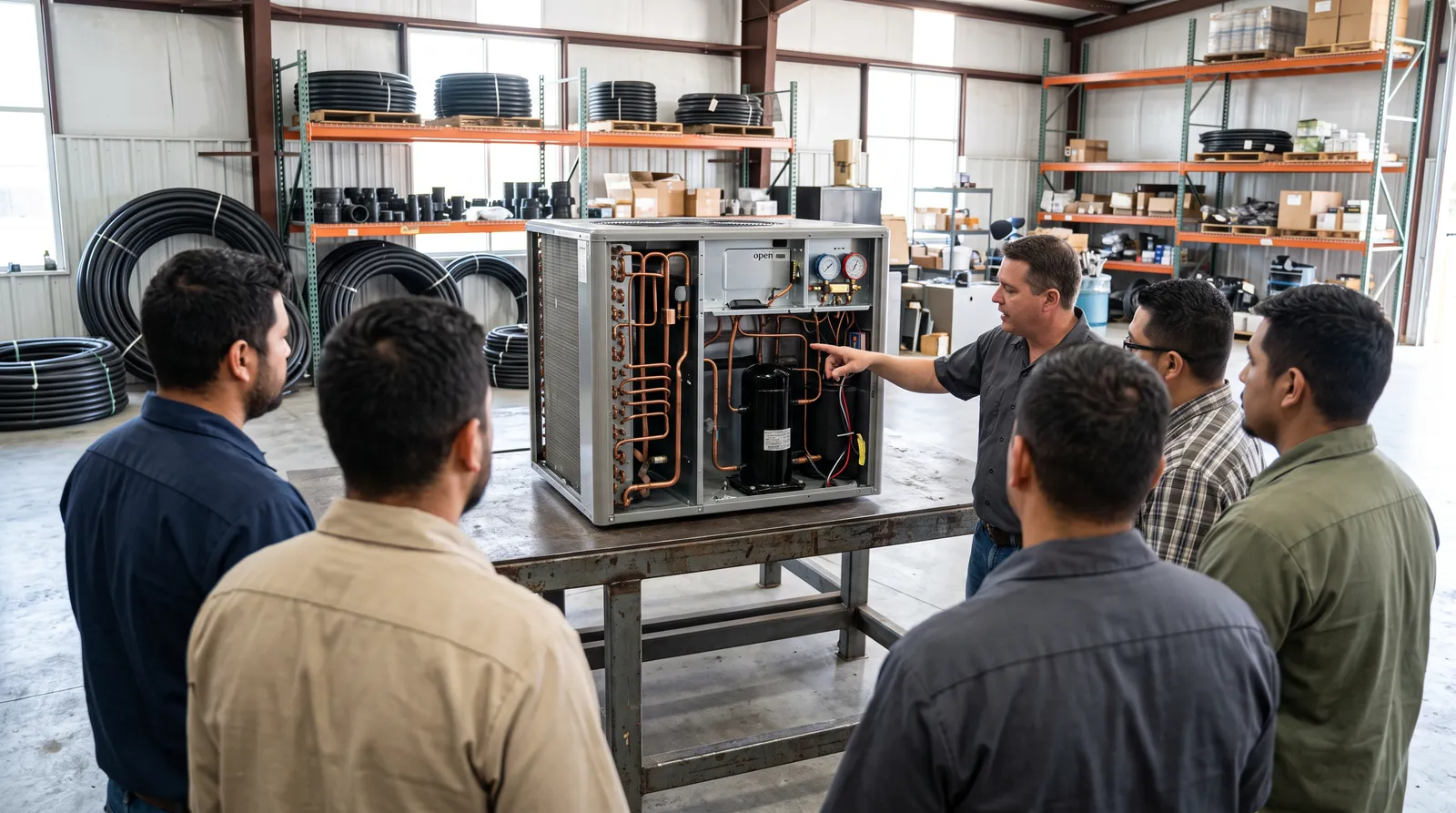
 Training seminars
 Loop design
Every form, one click
Pick the company you buy through. Each link opens in a new tab.
Indiana Geothermal
317-829-1490Warranty
- ClimateMaster Standard WarrantyFormstack
- ClimateMaster Extended WarrantyFormstack
- Unit RegistrationClimateMaster
Accounts and quotes
Tax and specs
NY Geothermal Supply
(845) 710-0017ClimateMaster product literature
Both companiesBecome the geothermal expert in your market
Dona Kyler, president of New York Geothermal Supply, and Kris Kyler, president of Indiana Geothermal, are one of the few Certified GeoExchange Designer (CGD) teams in the Midwest.
Use their expertise to design the right loop, with the tools to draw and install it correctly the first time, and with the best profit margin for your company.
 Loop field design and drawings
- Loop contracting: vertical, horizontal, bore and pond
- ClimateMaster tech support for Indiana and New York
- Training to sell, install, service and troubleshoot geothermal

The only units we sell
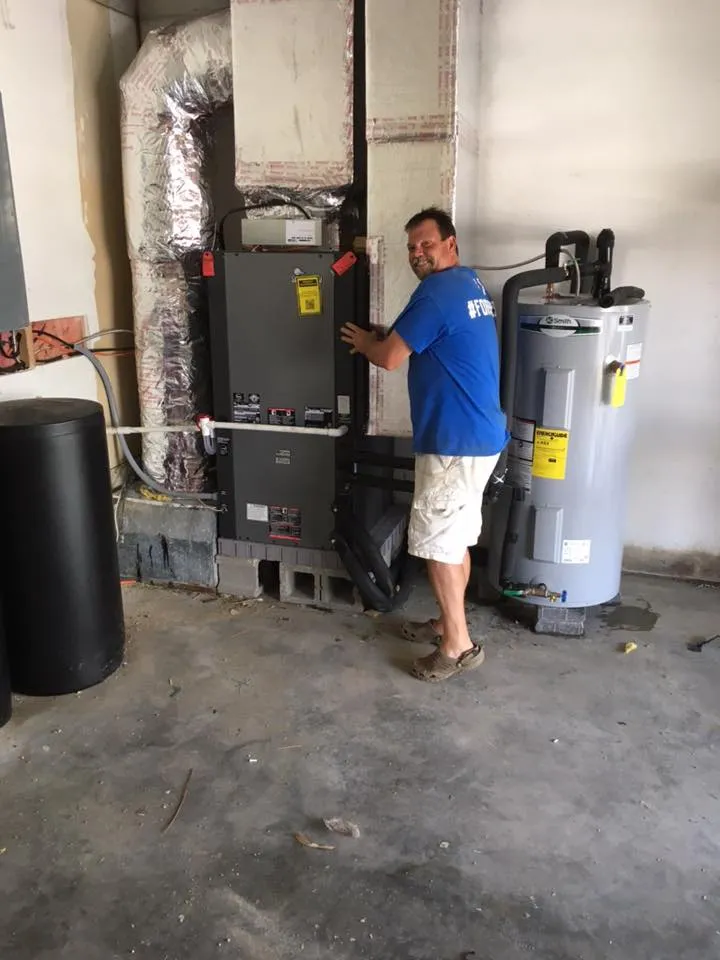
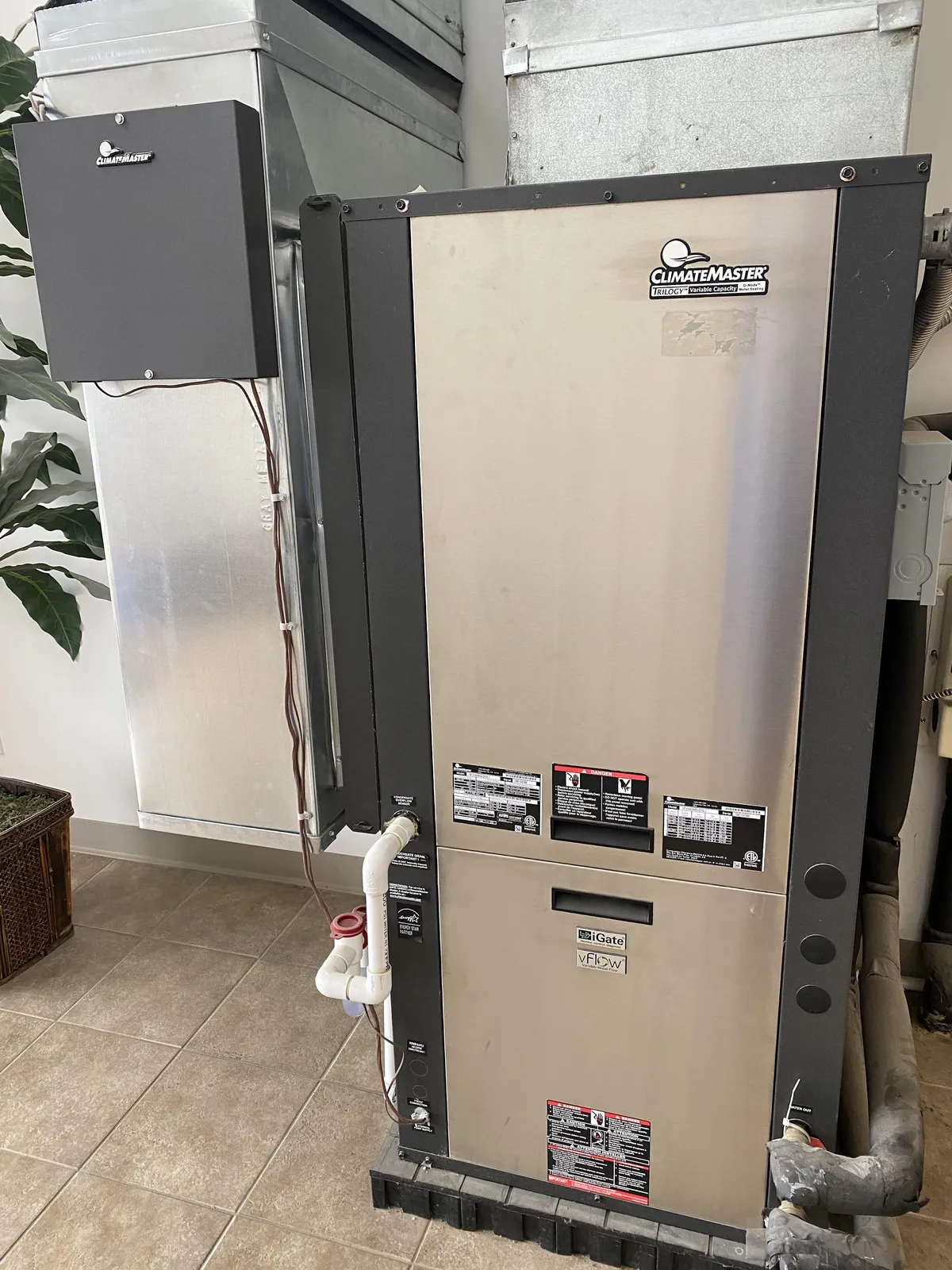
We searched for the most reliable, strongest company to partner with. Our clients want the best product at the best price, so ClimateMaster is our only source for geothermal units.
Founded in the late 1950s, ClimateMaster has spent more than 50 years building the industry's most innovative, efficient systems, engineered and assembled in the USA.
Understanding loop design
Five loop styles we design and install across Indiana and New York.
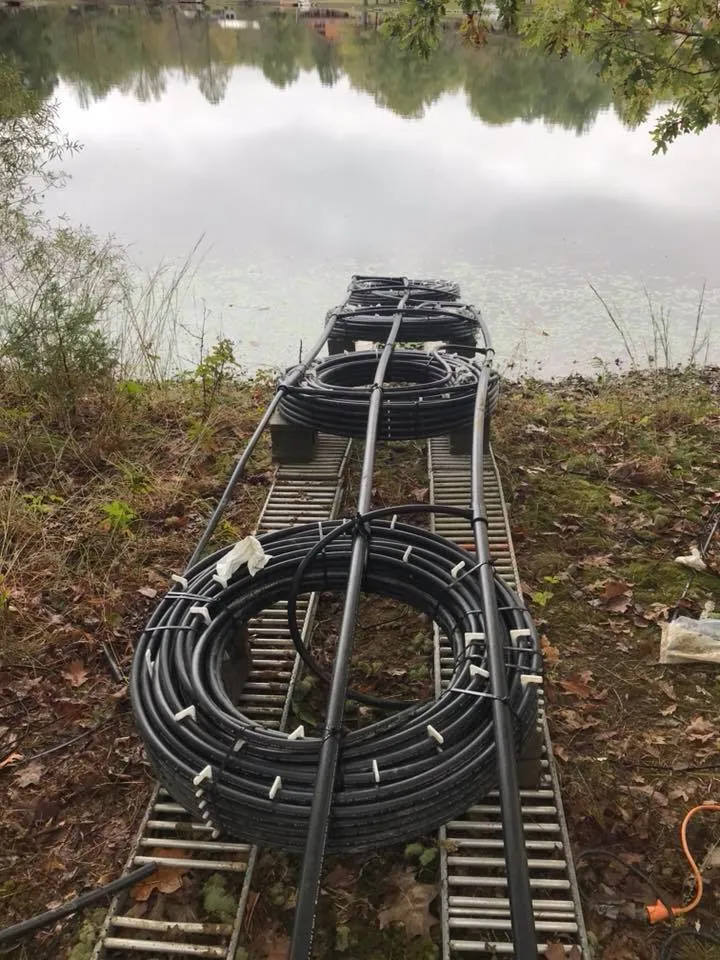
Pond Loop
Coils are piped together in rafts and sunk to the bottom of a pond or lake. The most cost-effective way to get geothermal when water is available. There are water depth requirements.
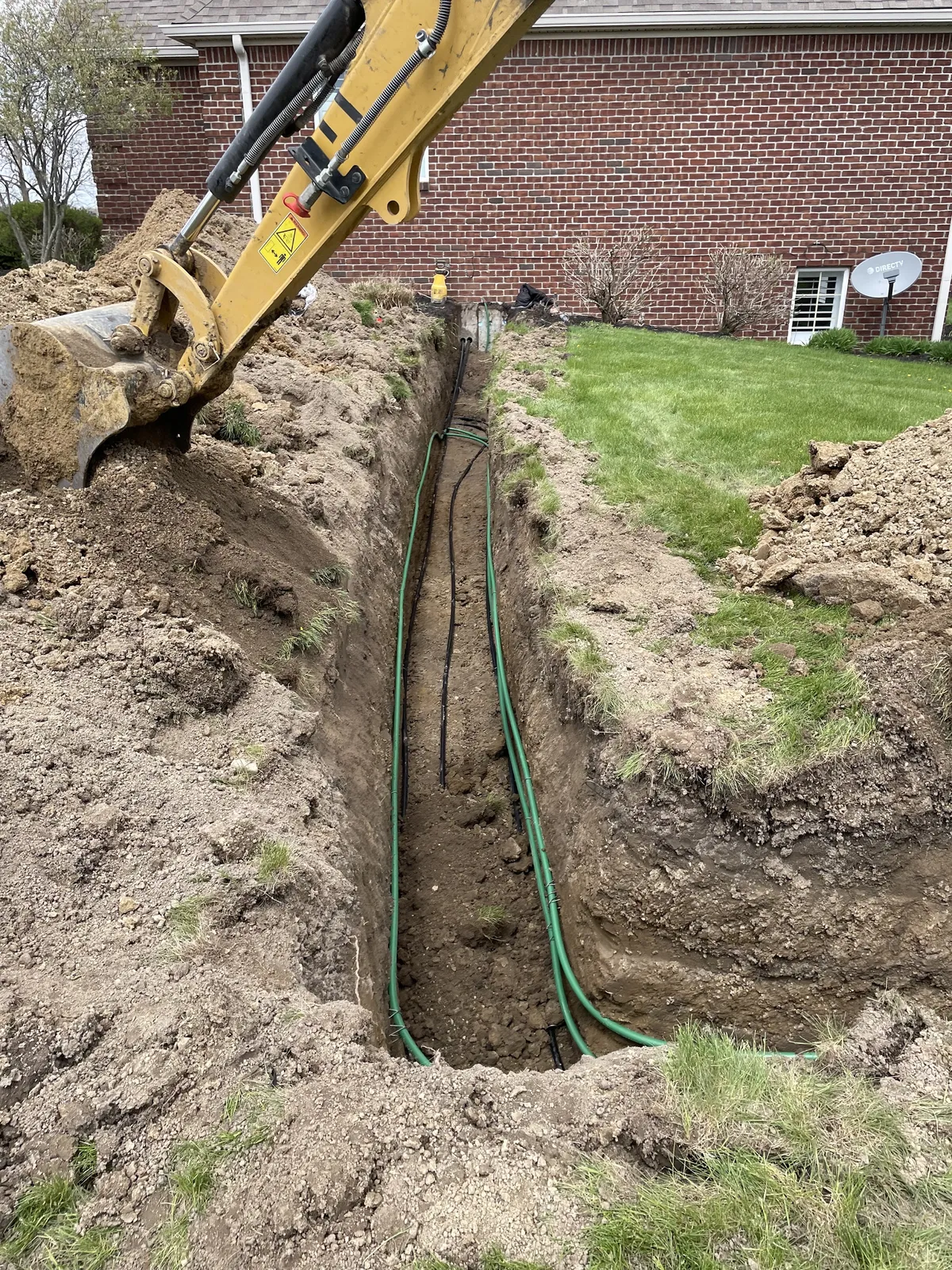
Six-Pipe Loop
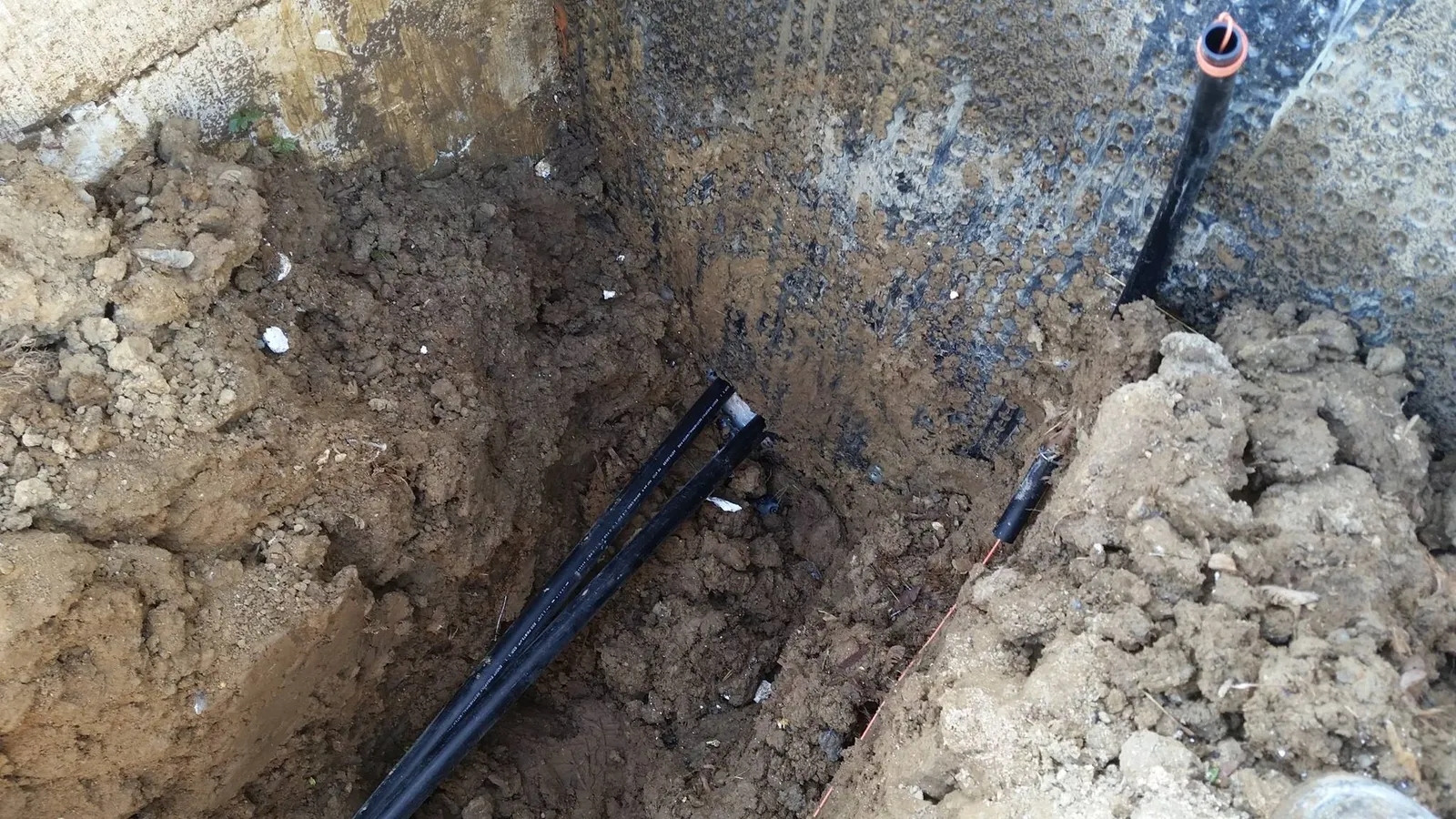
A trench with six total pipes pinned to the floor and walls, deep enough to sit below the frost line. Cost-effective, but it disturbs existing landscaping above the piping.
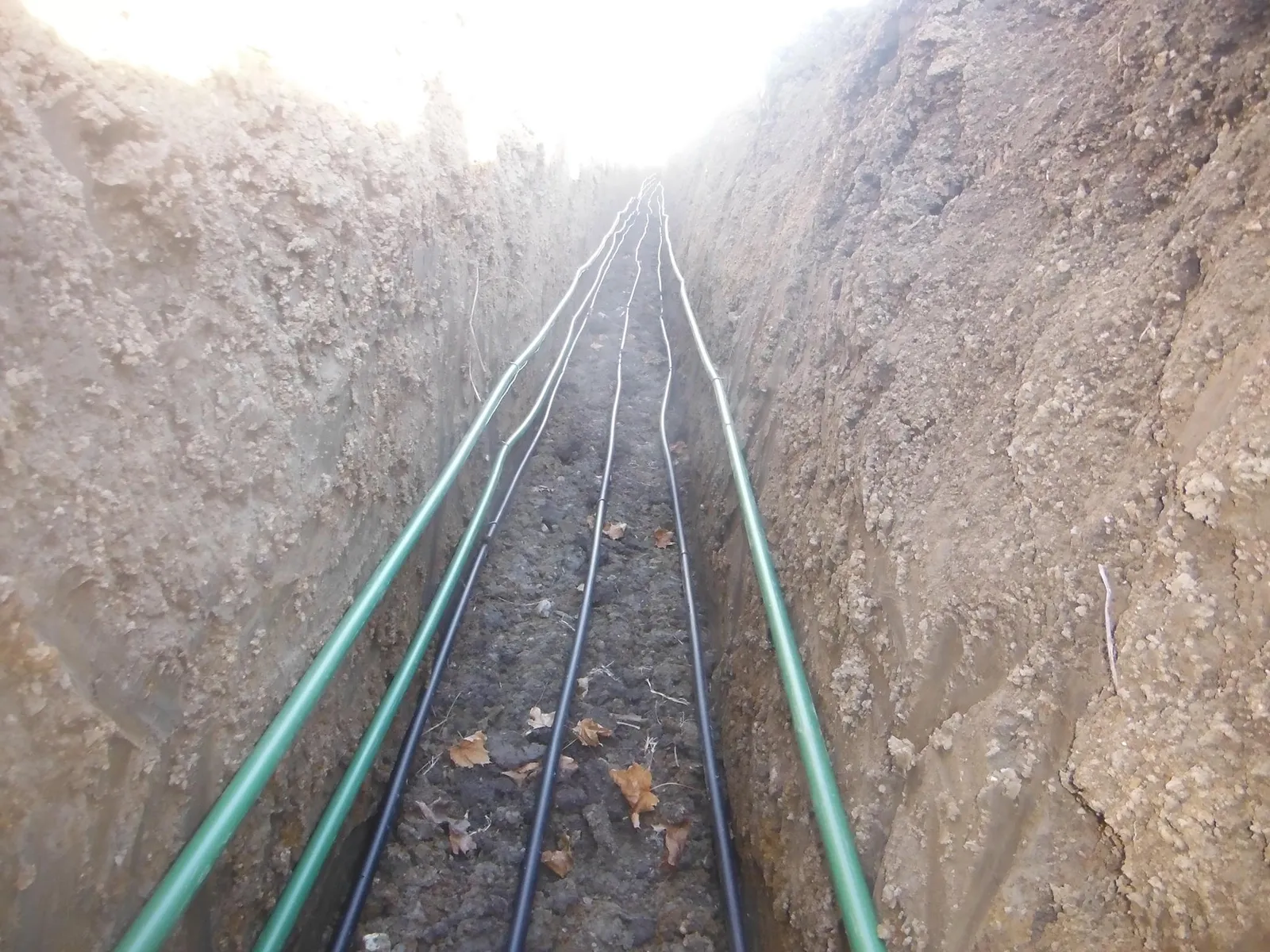
Horizontal Loop
Fused pipe is buried about five feet deep, below the frost line, in long trenches. Six-pipe trenches pin pipe to the floor and walls. The most affordable loop where land allows.
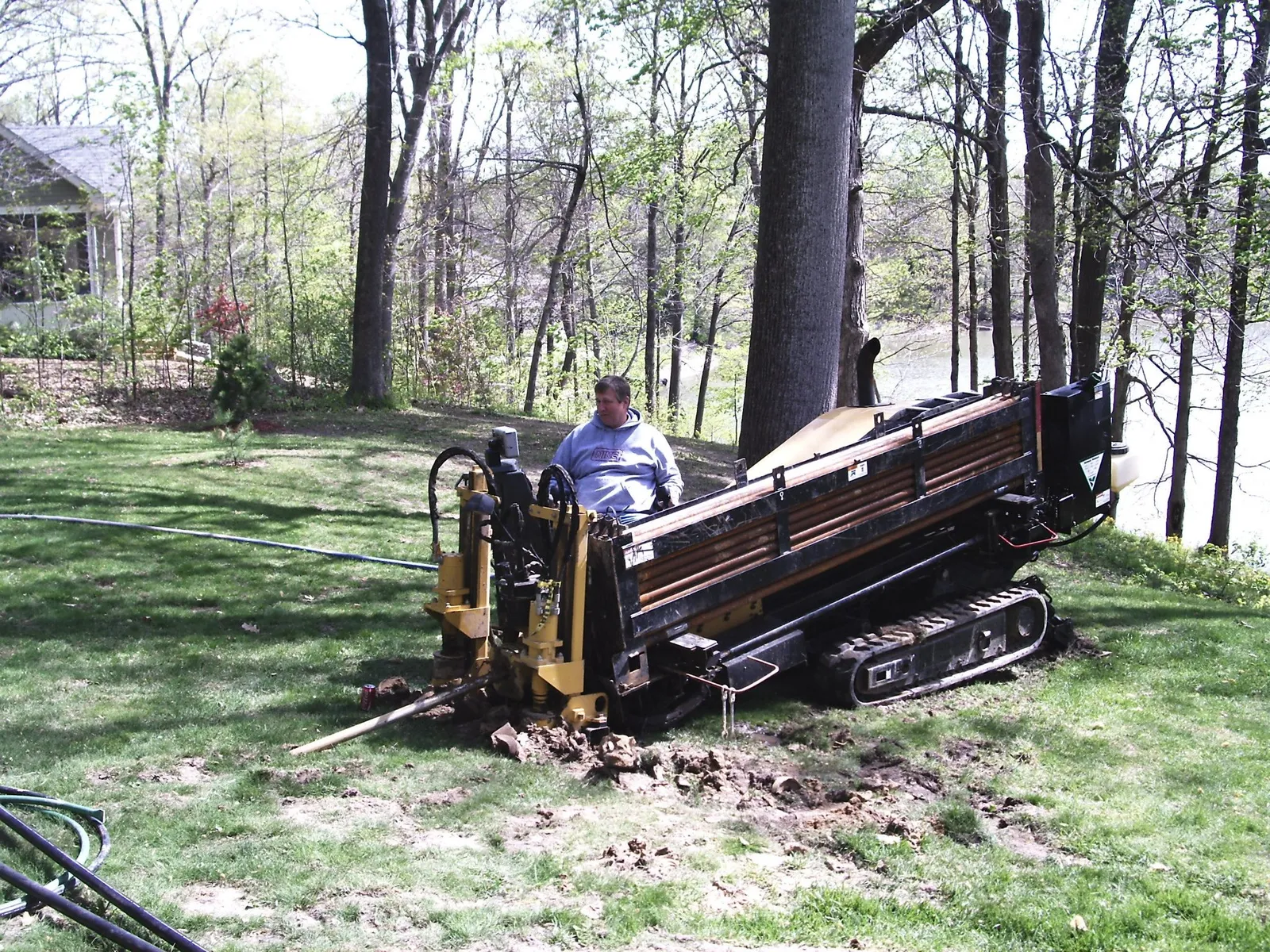
Horizontal Bore
A directional drill bores under the yard and threads two connected pipes through, below the frost layer and deeper than any obstacles. A good choice when trenching is not an option.
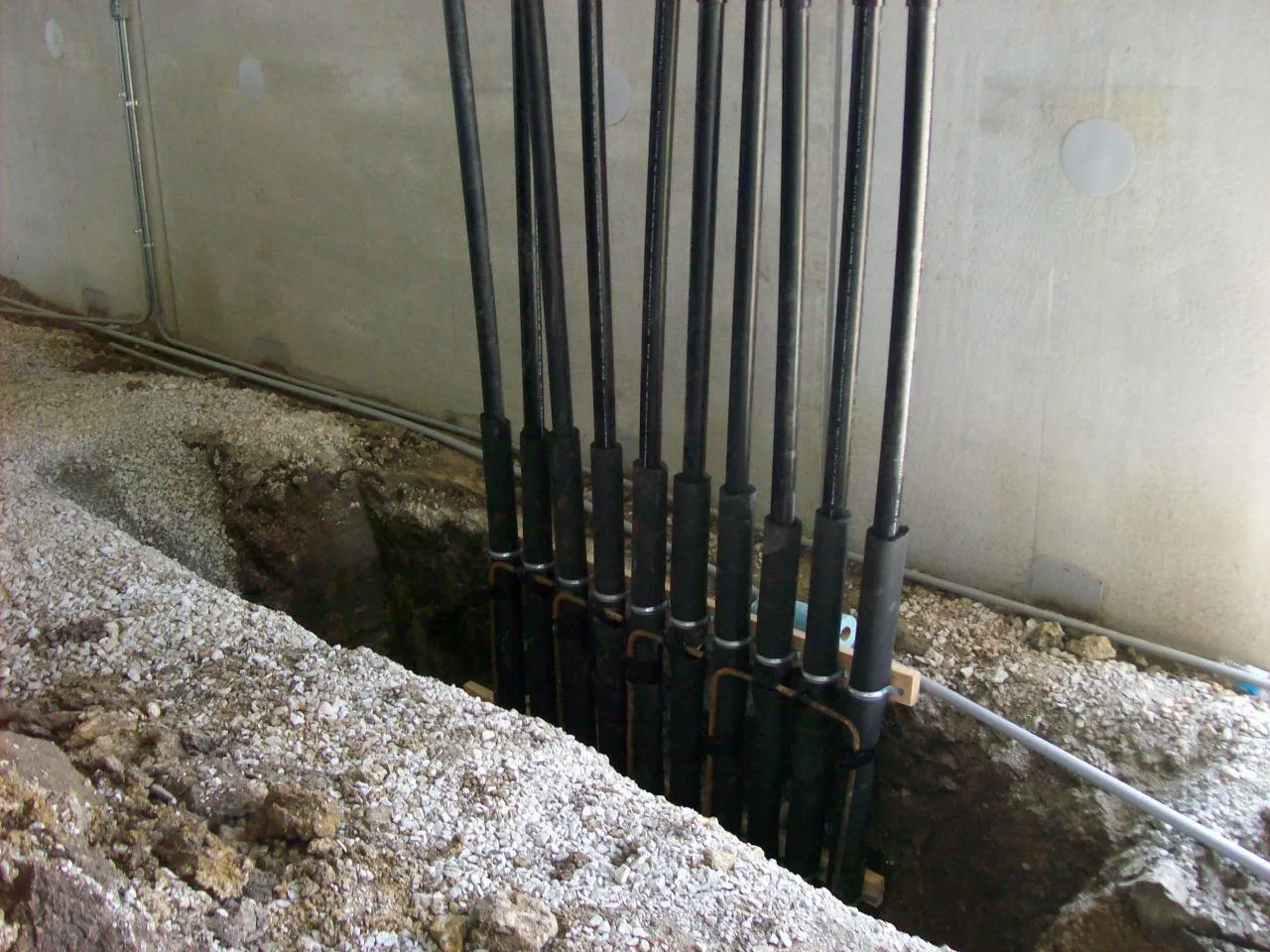
Vertical Bore Loop
Pairs of pipe with a U-bend go down boreholes that average 150 to 250 feet deep per ton, then get grouted for solid contact with the earth. The best choice where yard space is limited.
I set the training up conveniently via email. He brought a lot of good show and tell pieces, and a wealth of knowledge to the training.Ryan · Aire Serv of Muncie